A
data set is a collection of values that provides information. These values can be presented in various ways such as in or . The values are typically gathered through measurements, surveys, or . Consider a data set that consists of the heights of a group of actors.
| Actor
|
Height
|
| Madzia
|
5 ft 4 in.
|
| Magda
|
5 ft 2 in.
|
| Ignacio
|
6 ft 1.6 in.
|
| Henrik
|
5 ft 10 in.
|
| Ali
|
6 ft 1 in.
|
| Diego
|
5 ft 2 in.
|
| Miłosz
|
5 ft 2 in.
|
| Paulina
|
5 ft 3 in.
|
| Aybuke
|
5 ft 7 in.
|
| Mateusz
|
6 ft 1.2 in.
|
| Gamze
|
5 ft 3 in.
|
| Marcin
|
5 ft 7 in.
|
| Marcial
|
5 ft 8 in.
|
| Heichi
|
5 ft 5 in.
|
| Arkadiusz
|
5 ft 6 in.
|
| Enrique
|
5 ft 10.5 in.
|
| Aleksandra
|
5 ft 4 in.
|
| Ashli
|
5 ft 4 in.
|
| Jordan
|
5 ft 5 in.
|
| Paula
|
5 ft 2 in.
|
| MacKenzie
|
5 ft 6 in.
|
| Joe
|
6 ft 1 in.
|
| Flavio
|
5 ft 10 in.
|
| Jeremy
|
5 ft 4 in.
|
| Umut
|
6 ft 1 in.
|
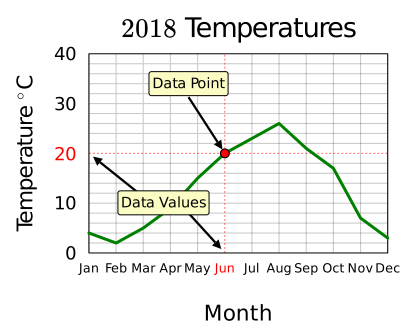
A single value in a data set, such as an individual actor's height, is called an
observation or
data point. In this table, each observation corresponds to the height of an actor — meaning that there are
24 observations. Each observation contains two , the actor's name and height.
Number of Observations: Number of Variables: 242
The actual number or category associated with each data point is called a
data value. Data values are the specific pieces of information contained within a data point. Data sets can be represented using charts, tables, or different types of graphs. For example, the temperature of a city for each month of
2018 can be plotted on a .